
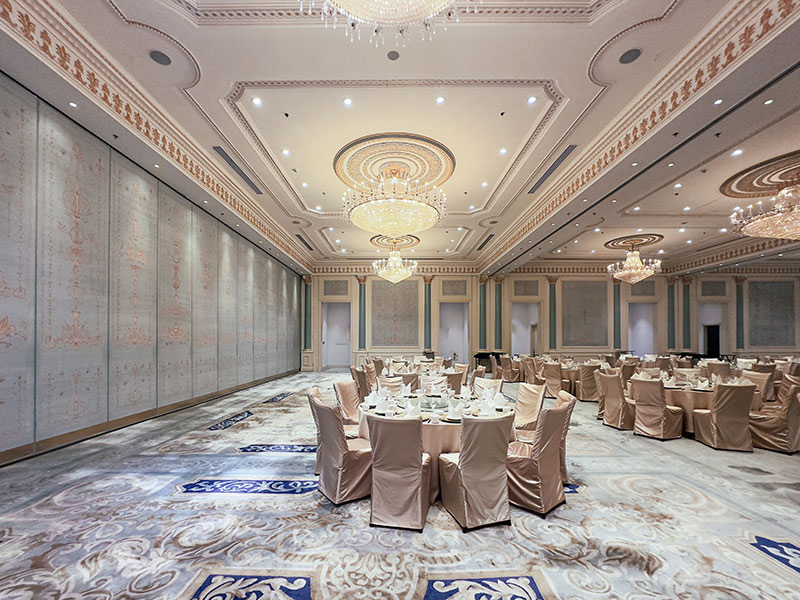
Architectural Insights Into Hotel Ballroom Carpets
If you have ever walked into a hotel ballroom and felt the atmosphere shift instantly, whether it seemed grand, calm or energising, you may not have realised how much of that impression is shaped by the floor beneath your feet.
Hotel ballroom carpets are often viewed as decorative features, but from an architectural perspective, they play a far more intentional and functional role. They help define space, control acoustics and shape the overall experience within large interiors. For architects and interior designers, ballroom carpets form part of a wider design strategy that balances durability, visual harmony and performance in high-traffic environments.
The Rising Influence of Flooring in Modern Interior Design
In today’s hospitality design, flooring has moved far beyond being a finishing touch. Large-scale carpeting is now used to shape space, influence atmosphere and elevate visual coherence without structural changes. Architects increasingly treat it as a core design element rather than an afterthought, and this influence can be seen in several key ways.
Shaping Movement and Ambience
The way a hotel ballroom carpet is designed can gently influence how guests move through a space. Patterns can guide walking paths towards stages or focal points, while borders can help define seating or event areas without physical barriers.
Colours and motifs also play a role in shaping mood. Rich, darker tones tend to create a more formal atmosphere, while lighter palettes can make a space feel more open and relaxed.
The Shift Toward Sensory Luxury
There has been a growing focus in hospitality design on sensory comfort rather than visual impact alone. This includes how a space sounds, feels and even how visually restful it is. Carpets contribute to this by softening harsh acoustics and reducing visual fatigue in large rooms. Designers often refer to this as creating “eye comfort”, where the overall interior feels cohesive and easy to take in rather than overwhelming.
Why Ballroom Carpets Matter in Architectural Design
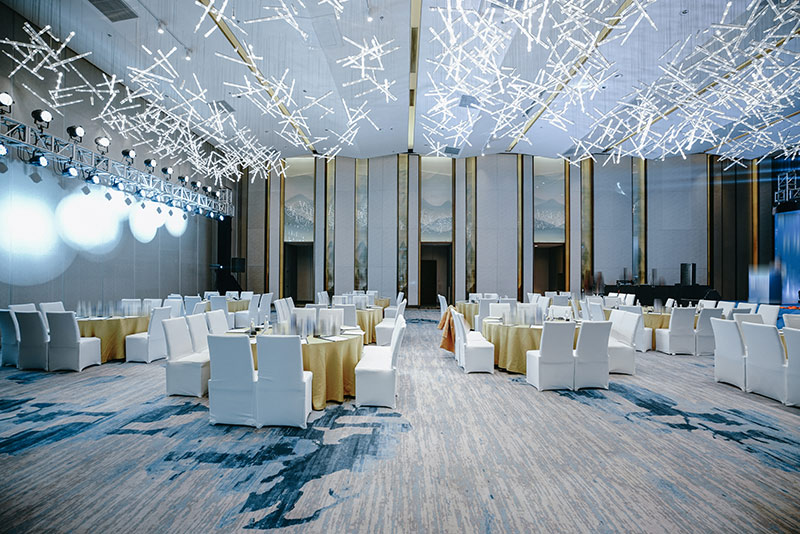
In large-scale hospitality interiors, flooring needs to be carefully aligned with the room’s proportions, ceiling design and expected foot traffic. Architects often see the ballroom carpet as a defining design element that can either weaken the overall space or significantly enhance its sense of luxury and perceived value.
Acoustic Control in Large Event Spaces
Ballroom carpets play an important role in managing sound in large venues. Hard surfaces reflect noise, which can cause echo and affect speech clarity.
Carpets help absorb sound and reduce reverberation, creating a more balanced acoustic environment. This is especially useful in spaces used for conferences, weddings and performances, where clear communication is important.
A well-selected carpet can improve overall sound quality and reduce the need for additional acoustic treatments.
Durability and Long-Term Performance
Ballrooms are among the most heavily used areas in a hotel. Furniture is frequently moved, foot traffic is constant and events vary in scale and intensity. Because of this, architects prioritise carpets that are engineered for durability.
High-quality ballroom carpets are designed to resist crushing, staining and fading. Materials and construction methods are carefully considered to maintain appearance over time while reducing the need for frequent replacement. This not only preserves the design intent but also supports cost efficiency in long-term building management.
Safety and Practical Considerations
Safety is an important consideration in architectural design, and flooring contributes directly to this. Compared to hard flooring, carpets provide improved traction which helps reduce the risk of slips, particularly in busy event environments where spills may occur.
In addition, many ballroom carpets are manufactured to comply with fire safety standards required for hospitality and public venues. Architects and suppliers typically ensure materials meet these regulations during specification and planning stages.
Aesthetic Flexibility and Brand Identity
Beyond performance, ballroom carpets play a major role in expressing a hotel’s identity. Designs can be customised in terms of colour, pattern and texture, allowing each space to reflect its brand personality. Some hotels prefer understated elegance with subtle patterns, while others opt for bold, contemporary visuals.
Carpets also offer practical flexibility. Updating flooring can refresh the entire look of a ballroom without structural renovation, making it a cost-effective way to modernise interiors over time.
Supporting Modern Hospitality Design
Today’s ballrooms are no longer limited to formal banquets or ceremonies. They are multi-purpose spaces used for exhibitions, corporate functions, social events and more. This versatility requires interiors that can adapt easily.
Carpets support this flexibility by providing a consistent foundation that works across different layouts and event types. They help maintain comfort and cohesion even as furniture arrangements and room setups change frequently.
Hotel Ballroom Carpets Designed for Performance and Style
A well-designed ballroom carpet does more than complete a space visually. It supports acoustics, enhances safety and withstands demanding usage patterns while still contributing to the overall guest experience. Balancing these requirements is where specialist expertise becomes important.
Working with a provider like Udani Carpets Malaysia allows you to balance both performance and design. With experience in hospitality projects, careful attention is given to practical considerations such as maintenance, traffic levels and design cohesion. Contact us today to explore tailored carpet solutions that suit your space, performance needs and long-term vision.
Frequently Asked Questions About Hotel Ballroom Carpets
Hotel ballroom carpets are usually made from durable materials such as nylon or wool blends. These fibres are selected for their strength, appearance retention and ability to handle heavy foot traffic.
Lifespan varies depending on usage and maintenance. With proper care, high-quality carpets can last for several years before replacement is needed.
Yes, many hotel ballroom carpets are custom-designed to match the interior theme and branding of the space. Patterns, colours and textures are often tailored to suit the overall design concept.
Carpets absorb sound, reducing echo and background noise in large halls. This helps improve speech clarity and overall sound quality during events.
Yes, they are designed with safety in mind. Ballroom carpets provide better grip than hard flooring and can be manufactured to meet fire safety standards required in public spaces.
Maintenance typically involves regular vacuuming, prompt stain removal and scheduled deep cleaning. Proper maintenance helps retain the carpet’s quality and ensures it continues to perform well over time.

0 comments