
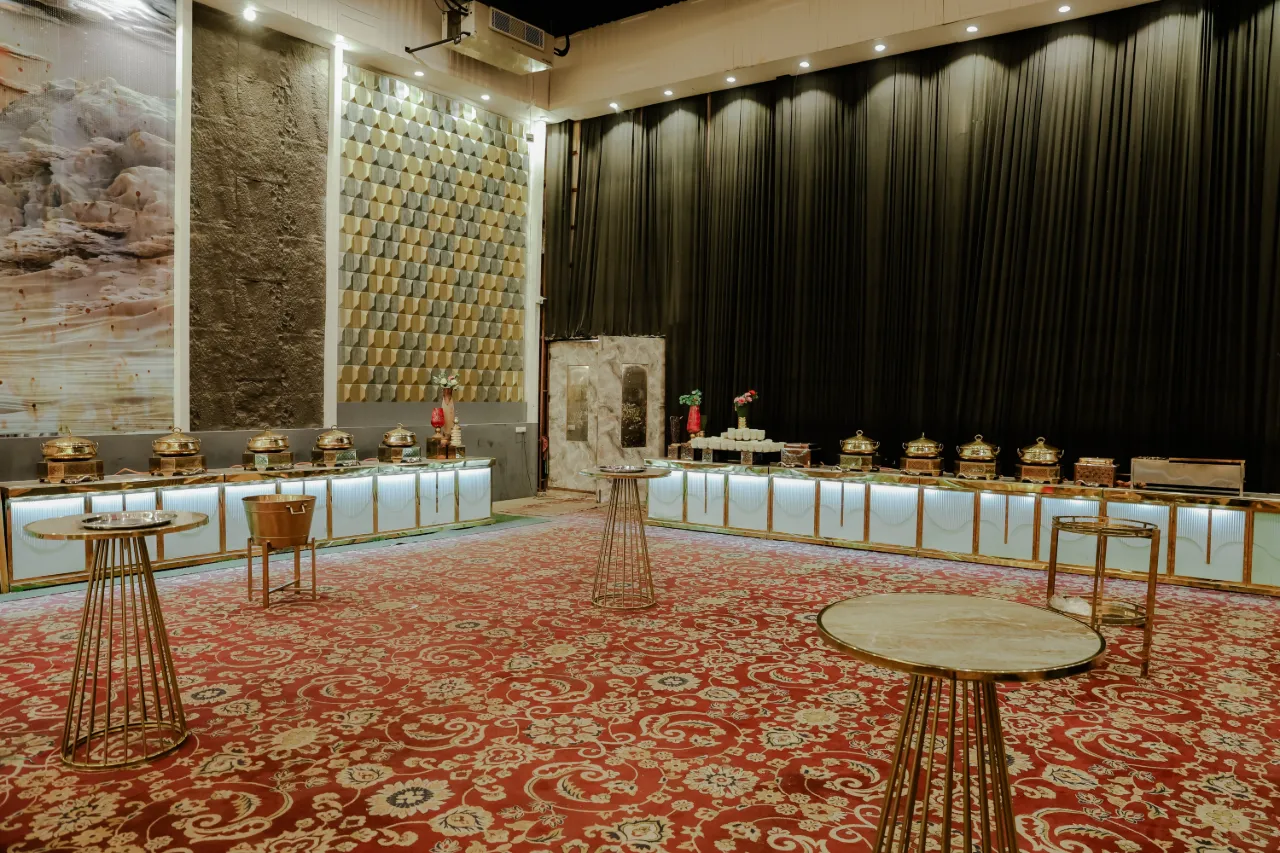
How Designers Manage Ballroom Carpet Projects
A ballroom carpet project involves much more than selecting colours and patterns. Large floor areas, custom design requirements and fixed installation schedules demand careful planning and coordination at every stage.
For interior designers and project managers in Malaysia, understanding the process from the initial design brief through to final handover helps keep projects on track. A structured approach ensures the finished carpet reflects the design vision, meets performance requirements and aligns with the wider project timeline.
Stage 1: Defining the Design Brief
A successful ballroom carpet project begins with a clear design brief. In addition to colours and patterns, it should outline the practical, aesthetic and budgetary requirements that guide the project from planning through to installation.
To build a useful design brief, consider the following:
- Function and Use: Outline how the ballroom will be used, how often events are held and the types of functions it needs to support, such as weddings, conferences or gala dinners. It is also helpful to note whether the room is used as a single space or divided with movable partitions.
- Traffic Levels: Estimate the expected volume of foot traffic from guests, catering staff and event crews. A ballroom that hosts several large functions each week will need a different carpet specification from one used less frequently.
- Aesthetic Direction: Review the wider interior scheme, including the wall finishes, lighting, furniture and architectural details. This helps ensure the carpet complements the overall space rather than competing with other design elements.
- Brand Considerations: For hotels, the design may need to reflect brand colours, custom motifs or visual elements used elsewhere in the property.
- Budget Parameters: Set a clear budget for both supply and installation. This will help narrow down suitable carpet constructions, materials and custom design options.
- Project Timeline: Confirm the available installation window early, especially when work must be arranged around hotel bookings, scheduled events and limited downtime.
Stage 2: Choosing the Right Carpet Specification
Once the design brief is confirmed, the designer and carpet supplier can begin identifying the most suitable carpet specification for the ballroom. For many hotel and event spaces in Malaysia, woven Axminster carpet is a practical choice because it offers design flexibility, durability, sound absorption and a refined finish.
The selection process usually covers several technical and design considerations.
Pile Weight and Height
Pile weight and height affect how the carpet looks, feels and performs over time. A heavier pile can provide a more luxurious feel underfoot and improve sound absorption, although it may also increase material and installation costs.
For ballroom applications, pile weight and height should be selected based on the venue’s design requirements, expected foot traffic and intended use.
Material Blend
Some hotel-grade Axminster carpets are made from an 80% wool and 20% nylon blend. Wool provides softness, visual depth and natural resilience, while nylon can add strength and abrasion resistance.
The backing material also deserves careful consideration, particularly in Malaysia’s warm and humid climate. Polypropylene backing may be preferred over jute in areas where moisture is a concern, as jute can absorb humidity and may become more prone to mould over time.
Pattern and Colourway Design
Axminster weaving allows multiple colours to be combined into detailed patterns, custom motifs, borders and coordinated colourways.
The process usually begins with a mood board or colour palette, which the manufacturer develops into a production ready repeat pattern.
Scale should be reviewed carefully, particularly for large ballrooms. A motif that looks balanced on a small sample may appear too busy or too subtle across the full floor. Large format samples and full scale visualisations help assess pattern repeat, colour balance and the overall appearance before production.
Underlay Selection
Underlay improves comfort, acoustics and long term carpet performance. It provides a cushioned base that reduces pressure on the pile and backing.
For Malaysian ballrooms where banquet chairs, tables and event equipment are moved frequently, a high density underlay is often more suitable because it resists compression and helps maintain an even surface over time.
Stage 3: Measuring the Ballroom and Planning the Carpet Layout
Accurate measurements are essential in commercial carpet projects, helping keep ballroom installations on schedule and within budget. Even a small error at this stage can affect material quantities, pattern alignment and seam placement, potentially leading to delays, additional costs or visible joins after installation.
For ballroom projects, the site measurement and layout process should include:
- Measuring the Full Floor Area: Record all alcoves, recesses, columns and fixed furniture plinths to build an accurate picture of the space.
- Identifying Structural Features: Note any floor level changes, expansion joints, drainage grilles or other features that may affect how the carpet is laid.
- Planning Seam Positions: Arrange joins in less noticeable areas whenever possible. Seams should generally be kept away from the centre of the ballroom and high-traffic routes.
- Allowing for Pattern Matching: Depending on the design repeat and layout, additional material may be required to achieve accurate pattern matching.
- Confirming the Available Roll Width: Confirm the available roll width with the carpet supplier, as this can affect the cutting layout, material requirements and overall waste. A well-planned cutting layout helps make better use of each roll and reduce unnecessary waste.
Careful planning at this stage supports accurate production, delivery and installation while helping the finished carpet look balanced across the ballroom.
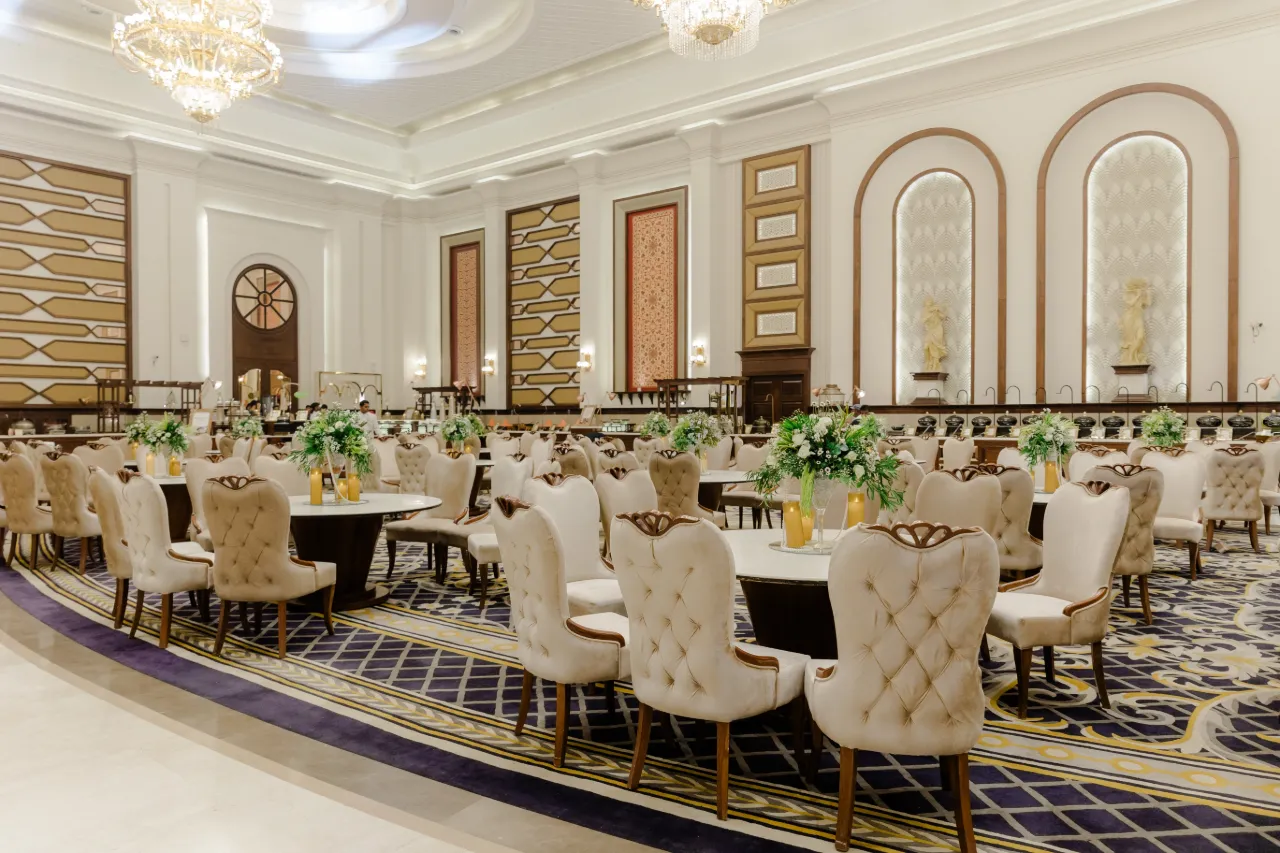
Stage 4: Planning for Manufacturing Lead Times
The custom Axminster carpet is manufactured to the approved design, colourway and quantity rather than supplied as a standard product. Production should therefore be factored into the project schedule from the outset.
Production may take around 8–16 weeks after design approval and order confirmation, although the actual timeline can vary depending on pattern complexity, order quantity and the manufacturer’s production schedule.
Finalising design decisions early allows sufficient time for production, delivery and site preparation before installation.
Stage 5: Preparing the Site and Installing the Carpet
Ballroom carpet installation requires experienced commercial installers familiar with woven carpet systems. Large floor areas, heavy carpet rolls and precise seam alignment require careful handling to achieve a smooth finish without wrinkles or visible mismatches.
Before installation begins, the site should be properly prepared:
- Clean the Subfloor: Ensure the surface is clean, dry, level and free from dust, adhesive or residue.
- Stabilise the Room Conditions: Operate the air conditioning so the room reaches its normal temperature and humidity before the carpet acclimatises.
- Complete Other Works First: Finish painting, electrical work, ceiling installation and other trades before laying the carpet.
- Plan Delivery Access: Confirm suitable loading access, door widths and a clear route into the ballroom.
During installation, the underlay is fitted first, followed by the carpet sections. Each piece is positioned carefully to maintain pattern alignment and keep seams as discreet as possible. Depending on the project specification, the carpet may then be stretched and secured or adhered to the floor.
Careful preparation and installation help ensure the carpet lies flat and performs well over time.
Stage 6: Handover, Protection and Aftercare
Once installation is complete, the carpet should be inspected before the ballroom is handed over to the client or main contractor. This allows the project team to check seam placement, pattern alignment and surface consistency before the space returns to use.
If nearby construction or renovation work is still ongoing, protect the carpet with breathable protective sheeting or heavy duty paper until the ballroom is ready for use.
The hotel team should also receive guidance on:
- Recommended vacuuming frequency and equipment settings
- Approved spot cleaning products and methods
- Recommended deep cleaning schedule
- Any care requirements for the carpet’s material blend or backing
Clear aftercare guidance helps maintain the carpet’s appearance and performance over time.
Plan Your Ballroom Project With Our Professionals
A well-planned ballroom carpet project helps create a space that remains attractive and functional for years. As one of the largest visual surfaces in the room, the carpet influences the overall atmosphere, guest experience and how well the ballroom performs during daily use and special events.
At Udani Carpets, we support interior designers, project managers and property owners from carpet selection and custom design to installation and aftercare. Explore our hotel and event carpet range and speak with our team about your ballroom project requirements.
Frequently Asked Questions About Carpets for Ballrooms
In many cases, yes. Installation can often be planned in phases or scheduled during quieter periods to minimise disruption. The approach depends on the ballroom layout, project scope and the venue's operating schedule.
Additional carpet should be calculated during the planning stage, after the ballroom has been measured and the carpet layout has been finalised. This allows allowances for pattern matching, cutting and future repairs to be included before the order is placed.
Yes. Existing layouts can often be retained while introducing new colours or patterns, provided the new design is compatible with the room's dimensions and installation requirements.
Yes. Viewing samples in the ballroom allows designers and stakeholders to assess how colours and patterns appear under the actual lighting conditions and alongside the surrounding finishes before production begins.
